

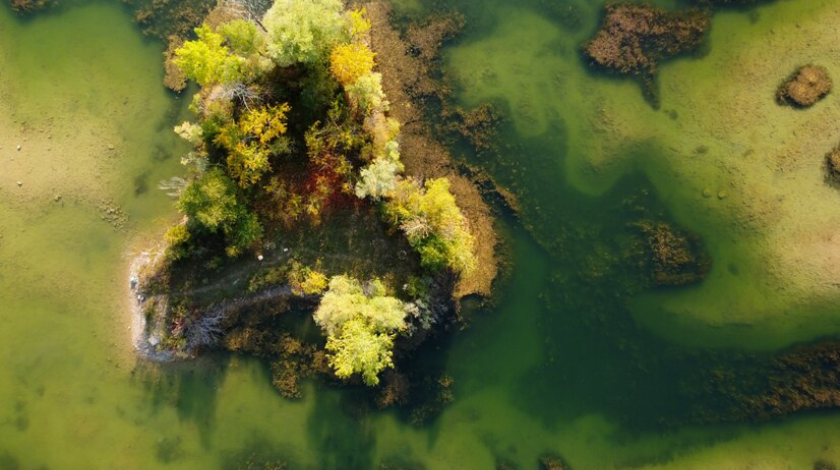
Have you ever seen an aerial photo of a lake where the water isn’t its usual deep blue, but instead looks like it’s been splashed with green paint? That’s an algal bloom, and it’s a powerful, and sometimes alarming, signal that nature is reacting to changes around it. Today, we’re zooming in literally on one such case: an aerial shot of an algal bloom in Lake Grapevine.
Let’s dive into why this lake matters, what that green swirl means, and how a simple photo from the sky can tell us so much more than meets the eye.
Understanding Algal Blooms
What Are Algal Blooms?
Algal blooms are rapid increases in the population of algae in water systems. Think of them as algae going into overdrive multiplying so fast they turn the water green, sometimes brown or red, depending on the species. They’re common in both freshwater and saltwater, and while some are harmless, others can be toxic.
Types of Algae That Cause Blooms
The main culprits in freshwater lakes like Grapevine are blue-green algae, also known as cyanobacteria. Despite the name, they’re not true algae but behave similarly. Some species produce toxins that are harmful to humans and animals.
Causes of Algal Blooms in Freshwater Lakes
-
Excess nutrients (mainly phosphorus and nitrogen)
-
Warm water temperatures
-
Calm water conditions
-
Sunlight exposure
-
Runoff from agriculture and urban development
These conditions combine to create a perfect storm for algae to explode in numbers.
Lake Grapevine A Brief Overview
Location and Importance
Lake Grapevine is a reservoir located in North Texas, nestled between the cities of Grapevine, Flower Mound, and Southlake. It’s a popular spot for boating, fishing, camping, and hiking—basically, a weekend warrior’s dream.
Recreational and Ecological Significance
Beyond fun, the lake plays a vital ecological role, providing habitat for fish, birds, and aquatic plants. It also serves as a drinking water source for nearby communities.
Water Quality Challenges Over the Years
Despite its beauty, Lake Grapevine has faced water quality challenges stormwater runoff, increasing urbanization, and more frequent algae blooms over the last decade.
Capturing the Aerial Shot
Why Use Drones for Environmental Monitoring?
Drones have revolutionized how we see our world. They can fly over lakes, rivers, and forests, capturing patterns invisible from the ground. For scientists and environmentalists, drones are the eyes in the sky that help track changes over time.
Techniques for Capturing Algal Blooms
High-resolution drone cameras use RGB and multispectral imaging to detect changes in water color, temperature, and light reflection making blooms easy to identify.
The Power of Aerial Imagery in Environmental Science
From a bird’s-eye view, patterns emerge. Aerial photos can reveal the extent of a bloom, identify the source of pollution, and even help predict where the algae will spread next.
The Impact of Algal Blooms in Lake Grapevine
Ecological Impact
Algae may seem small, but when they take over, the effects are massive. They deplete oxygen in the water, suffocate fish, and block sunlight for aquatic plants.
Impact on Recreation and Tourism
Nobody wants to swim or boat in green, murky water. Algal blooms can shut down beaches, delay events, and hurt local businesses that depend on lake tourism.
Health Risks for Humans and Animals
Some blooms release toxins that can cause rashes, nausea, or even liver damage. Pets drinking from or swimming in contaminated water are especially at risk.
Visualizing the Bloom What the Aerial Image Shows
Patterns and Colors
Aerial shots of Lake Grapevine during a bloom often show green streaks, swirling patches, or milky plumes. These patterns help indicate how algae is spreading and where it’s most concentrated.
Identifying Affected Zones
From above, it’s easier to pinpoint hotspots whether it’s near a boat ramp, a campground, or a stream flowing into the lake. That helps with fast response.
Comparison with Historical Data
Photos from previous years help track whether blooms are getting worse or better. And in most places, sadly, the trend is pointing to “worse.”
Response and Management Efforts
How Authorities Monitor Algal Blooms
The U.S. Army Corps of Engineers and local water districts regularly test water quality and issue advisories when necessary. Drones and satellite data now complement these efforts.
Prevention and Control Strategies
-
Reducing nutrient runoff from farms and lawns
-
Installing buffer zones and wetlands
-
Using algaecides (as a last resort)
-
Aeration systems to keep water moving
Public Awareness Campaigns
Signage, online updates, and community newsletters help keep the public informed about bloom conditions, safety warnings, and what they can do to help.
Role of Climate Change
Rising Temperatures and Algal Growth
Warmer water accelerates algae growth. With Texas summers getting hotter, lakes like Grapevine are more vulnerable than ever.
Climate Patterns and Bloom Frequency
Droughts, floods, and unusual rainfall patterns are all playing a role in nutrient runoff and stagnant conditions that fuel blooms.
Citizen Science and Community Involvement
How Locals Can Help
Simple actions like reducing fertilizer use, picking up pet waste, and planting native vegetation near shorelines can make a big difference.
Reporting and Monitoring Tools
Apps and websites like Cyanoscope and the Texas Water Data Hub allow citizens to upload images, report blooms, and check water safety levels.
The Future of Lake Grapevine
Technological Advances in Monitoring
Expect more drones, AI-powered image analysis, and real-time reporting dashboards. The goal? Faster action and smarter prevention.
Long-Term Ecological Projections
If unchecked, algal blooms could become a regular summer event. But with strong policies and community efforts, the lake can stay healthy for generations.
Conclusion
An aerial shot of an algal bloom in Lake Grapevine is more than just a pretty (or alarming) picture. It’s a snapshot of environmental change, a tool for science, and a wake-up call for everyone who enjoys this beautiful lake. The good news? With awareness, action, and tech on our side, we can turn the tide literally.
FAQs
1. What is an algal bloom, and why does it happen in lakes?
An algal bloom is a rapid growth of algae, usually caused by excess nutrients and warm temperatures. It’s common in lakes with agricultural or urban runoff.
2. Is it safe to swim in Lake Grapevine during an algal bloom?
Not always. If the bloom is toxic, it can pose health risks. Always check advisories before swimming.
3. How often does Lake Grapevine experience algal blooms?
It varies yearly, but blooms are becoming more frequent due to climate change and nutrient pollution.
4. Can drone images help scientists fight pollution?
Absolutely. Drones give scientists detailed views of bloom patterns and help track sources of pollution.
5. What can I do to help protect Lake Grapevine?
Reduce fertilizer use, support local conservation efforts, report algae sightings, and spread awareness in your community.


 picture. It’s a snapshot of environmental change)